To choose a branding agency in Barcelona, judge each one on the thinking behind its work, the people who will actually run your project and how clearly it explains its process and price, not on the look of its own website. Ask to see the strategy behind two or three past identities, meet the people who will lead yours, and ask for a fixed quote after a short brief. This guide covers what to look for, the kinds of branding partner and how they differ, the questions to ask, what working with a studio in the city brings in practice, a step-by-step selection process and the red flags to avoid.
Last updated: 21 October 2026.
What does a branding agency actually do?
A branding agency helps a company decide who it is, who it is for and how it should look and sound, then turns those decisions into a system people can use every day. The work usually runs from research and positioning to naming, a visual identity, a verbal identity and the guidelines that keep it all consistent.
The word covers very different offers. Some studios only design logos. Others stop at strategy and leave the design to someone else. A full-service agency carries the brand from the first workshop to the website, packaging and social channels where customers meet it. Knowing which one you need is the first decision, and it shapes everything after it.
We write this as Odduel, a creative and technology agency in Barcelona and São Paulo, and our branding service is one of the options you might weigh. We have tried to keep the advice useful whoever you end up hiring.
In short: decide first what you need the brand to do for the business. Then shortlist partners whose past work shows the reasoning behind it, not only a good-looking result. Meet the people who will run your project, compare written proposals on scope rather than on headline price, and agree what you will own at the end.
What should you look for in a branding agency?
Most portfolios look polished, so the polish tells you little. What separates a good branding agency in Barcelona, or anywhere, is how it thinks and how it works with you. Look for these signs.
- Strategy you can read. Each case study should explain the problem, the audience and why the identity looks the way it does. If the agency cannot say why, the next brand will be decoration too.
- Range inside one discipline. Identities for different sectors and sizes show that the agency adapts to the client instead of repeating its own style.
- Systems, not single marks. A strong identity holds up on a sign, a phone screen, a menu and a social post. Ask to see it applied, not just presented on a grey background.
- Named people. You should know who leads strategy, who leads design and who will be your daily contact.
- A process with clear decision points. Good partners tell you when you will see work, how many rounds of feedback are included and what happens if you want to change direction.
- Digital reach. A brand now lives mostly on screens. An agency that can carry the identity into a website or a product saves you a second brief and a second learning curve.
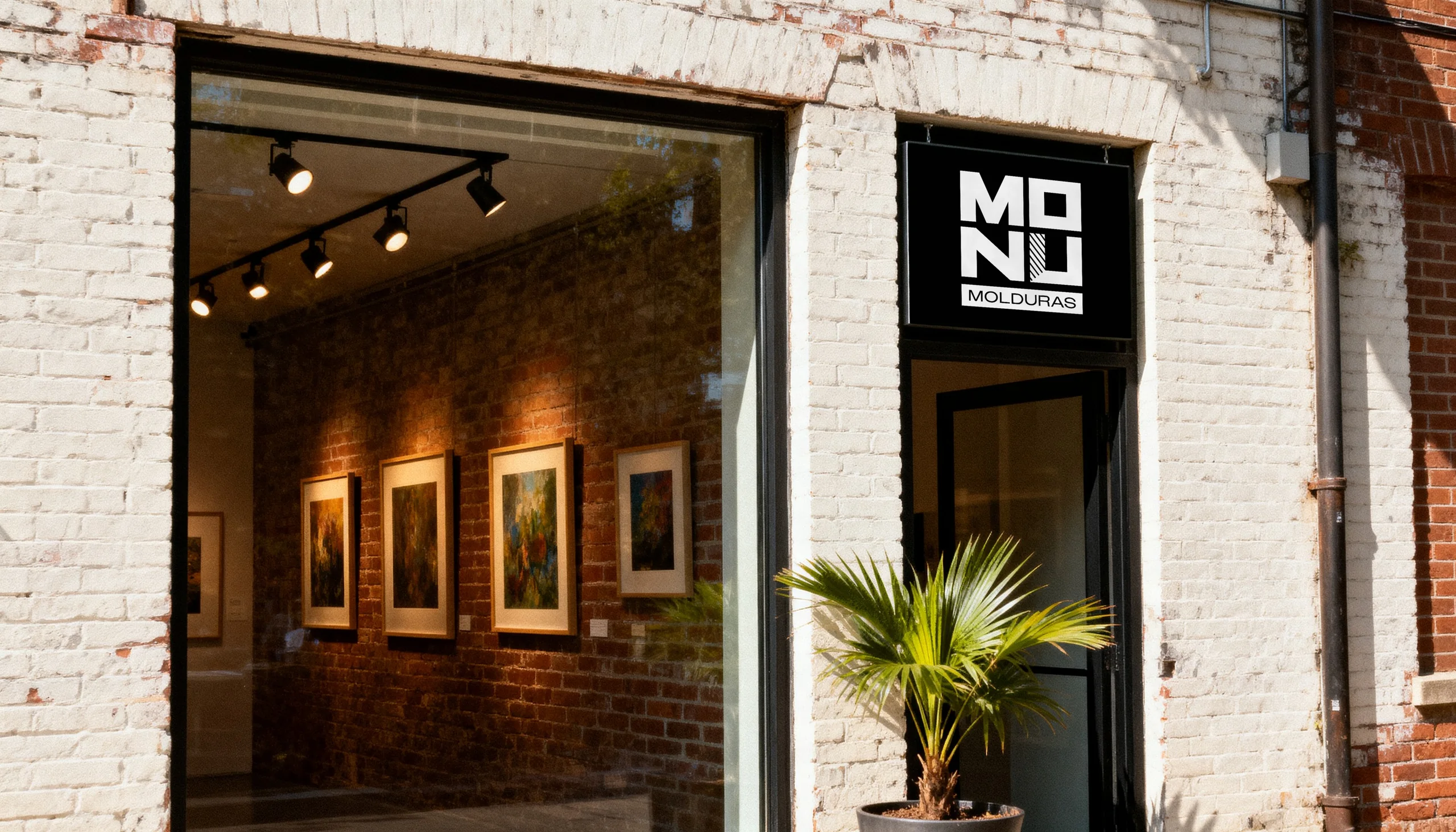
Our own work for MONU Molduras, a framing shop that came to us for a rebrand, is a small example of the last two points: the identity had to work on a shop sign, packaging and a phone screen alike. You can see it in the MONU Molduras case study. If you want a wider checklist for judging design studios in general, read how to choose a graphic design agency.
Which kind of branding partner do you need?
Freelancers, studios, agencies and consultancies all sell “branding”, but they suit different stages and budgets. The table below compares them on the points buyers usually care about.
| Partner | Best suited to | Strengths | Limits to plan for |
|---|---|---|---|
| Freelance designer | A first logo, a small business, a tight scope | Direct contact, quick decisions, lower overheads | One person’s skills and availability; strategy and digital work often sit outside |
| Design studio | A considered identity for a growing company | Strong craft and a recognisable point of view | Often stops at the identity; websites and campaigns may need another partner |
| Branding agency | A rebrand or new brand that must reach many channels | Strategy, design, writing and roll-out together; capacity for larger scopes | More structure and more people involved, so a clear brief matters |
| Brand consultancy | Positioning, architecture, mergers, large portfolios | Research depth and board-level strategy | Design and production are frequently handed to others |
There is no wrong answer here, only a mismatch. A café opening one site may be best served by a skilled freelancer. A company rebranding before entering new markets usually needs the breadth of an agency. If your budget is still open, our guide to what branding costs explains the cost lines behind each kind of offer.
What questions should you ask a branding agency?
The first meeting is where you learn most, so prepare questions that make an agency show its method instead of its slides.
About the work
- Can you walk us through the strategy behind one identity in your portfolio?
- Which project went off course, and what did you change?
- How do you decide the number of creative routes you present?
About the people
- Who exactly will work on our brand, and for how much of their time?
- Who is our daily contact, and who has the final word on design?
- Will any part of the work be passed to an outside supplier?
About the terms
- What is included in the price, and what counts as a change of scope?
- How many rounds of feedback are included at each stage?
- What files and rights will we own at the end?
The answer to the last question matters more than most buyers expect. You should leave with the master files, the fonts you are licensed to use and the full rights to the identity. If you plan to register the name or mark across the European Union, the EUIPO explains how an EU trade mark works; a good agency will tell you early that clearance checks belong to a trade mark lawyer, not to the designer.
What does working with a Barcelona branding agency bring?
Choosing a brand design agency in Barcelona is not only about the address. Some things tend to come with working in the city, and they are worth weighing against your own needs.
Bilingual work is common. Many studios here work every day in Spanish and Catalan as well as in English, so naming tests, taglines and tone of voice can be checked in more than one language from the start rather than translated at the end.
International clients are usual. Agencies in the city often work for companies based elsewhere in Europe and beyond, so remote workshops, shared files and clear written feedback are part of the routine.
Time zones are easy for most of Europe. Meetings fit within ordinary working hours for clients across the continent, which keeps decisions moving.
None of this replaces the quality of the thinking. A branding agency in Barcelona with the wrong process is still the wrong choice; the city is a practical advantage, not a reason to hire.
How do you run the selection, step by step?
A short, structured selection saves weeks and gives you proposals you can actually compare. This is the process we would recommend to any buyer.
- Write a one-page brief. Say what the business does, who it serves, why the brand needs work now, what the brand must reach (website, packaging, signage, social) and your timing.
- Agree an internal budget range. You do not have to share it at first, but you need it to judge whether a proposal is realistic.
- Build a shortlist of three to five. Choose on relevant work and on the kind of partner you need, using the table above.
- Hold a first call with each. Use the questions above. Notice who asks you sharper questions than you ask them.
- Request written proposals. Ask each to describe scope, stages, deliverables, the people involved, timing and what you will own, followed by a fixed quote.
- Compare on scope, not on the total. Line the proposals up side by side; a lower figure often covers less.
- Check references. Speak to one or two past clients about the process, not only the result.
- Agree the first stage in writing. Start with discovery and strategy, with a clear point at which both sides confirm the direction before design begins.
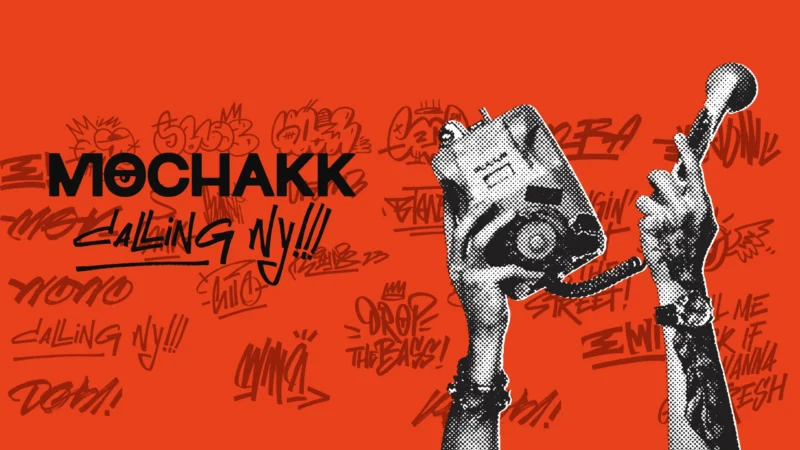
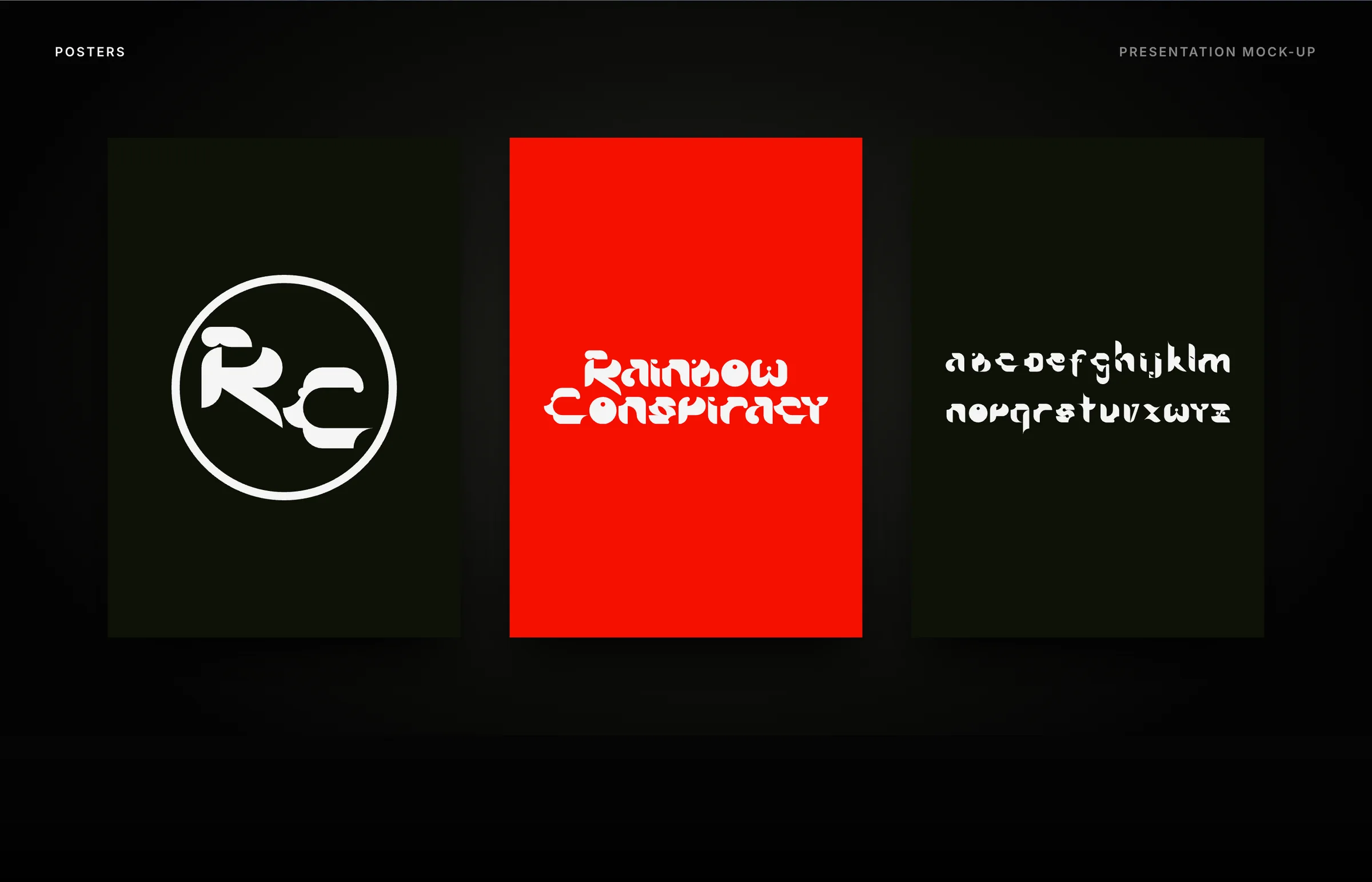
Rainbow Conspiracy, an electronic music label we branded, shows why the last step matters: the identity grew into posters, passes and a full brand guide, and each of those pieces relied on decisions agreed at the strategy stage. The Rainbow Conspiracy case study shows how that system was carried across.
What are the red flags when choosing a branding agency?
Some warning signs appear in the first conversation. Take them seriously.
- Free creative work in a pitch. Designs made before anyone understands your business are guesses, and they set the wrong tone for the relationship.
- No questions about your customers. An agency that talks only about aesthetics will deliver aesthetics.
- Vague scope. “A full brand” without a list of deliverables leads to arguments later.
- A portfolio of one style. If every identity looks alike, yours will look like them too.
- Unclear ownership. If the agency hesitates about handing over master files or rights, ask why.
- The pitch team disappears. If the people in the meeting will not be the people doing the work, you should know before you sign.
- Promises of results. No honest partner can promise a sales figure from a logo. Look for clear reasoning instead.
How does Odduel approach branding?
Our headquarters is in Barcelona and we have an office in São Paulo, and we work with clients across Europe and beyond. A branding project with us starts with a short brief and a fixed quote, then moves through discovery, positioning, the identity and its roll-out.
Strategy, concept, art direction and brand voice are human work, and that is where most of the time on a branding project goes. We use AI for repetitive production, such as preparing images, building out variations and first drafts of supporting material, which keeps timelines in weeks rather than months. Every piece is reviewed by the people who designed it.
Because we are full service, the same project can carry the brand into a website, an online store or social channels without a new brief. We prefer to show the work rather than describe it: the Torto Cozinha, MONU Molduras and Rainbow Conspiracy identities are in our portfolio, each with the reasoning behind it. If you are still building the foundations, our branding guide sets out the whole process from positioning to guidelines.
Questions people ask
How long does a branding project take?
A focused identity for a small company can take a few weeks, while a full rebrand with research, naming and roll-out across many channels takes considerably longer. The main factors are the scope, the number of decision makers on your side and how quickly feedback comes back. Ask every agency for a timeline by stage in its proposal.
Should I hire a local branding agency or work remotely?
Both work well. A local agency makes in-person workshops easy, which helps at the strategy stage, while remote work widens your choice and is now routine for most studios. What matters more is that the agency’s process, language skills and working hours suit your team, and that you meet the people who will lead the project.
What is the difference between a branding agency and a design studio?
A design studio usually focuses on the visual identity and its craft. A branding agency typically covers strategy, positioning, naming, verbal identity and roll-out across channels as well. Neither is better in itself: the right choice depends on whether you already know your positioning or need help defining it before any design starts.
How much does a branding agency in Barcelona cost?
The cost depends on scope rather than location: research, strategy, naming, the number of creative routes, the size of the guidelines and how many applications are designed all change the figure. A credible agency gives you a fixed quote after a short brief, broken down by stage, so you can see what each part of the work includes.
What should a branding agency deliver at the end?
You should receive the strategy and positioning in writing, the logo and identity in master and everyday formats, the colour palette, typography and licensing notes, any templates agreed, and brand guidelines that explain how to use it all. You should also own the rights to the work, set out clearly in the contract.
If you are comparing branding agencies in Barcelona, start with your one-page brief and use the questions above in every first call. If you would like us on your shortlist, read more about our branding service or talk to us about your project, and we will reply with clear next steps and a fixed quote after a short brief.
Further reading: Web design agencies in Barcelona: how to choose one.