A branding agency in Europe helps a business define who it is for, what it stands for and how it looks and sounds, then turns that into a visual identity, a verbal identity and guidelines the company can use everywhere. To compare studios, look at how they think as well as how their work looks: ask how they research, how they reach a strategy, how many directions they show, what you receive at the end and who owns it.
Last updated: 7 November 2026.
This guide explains what a branding agency does, the kinds of studio you will meet, how to read a portfolio, how to compare proposals and the questions to ask before signing.
What does a branding agency do?
A branding agency shapes the way a company is understood and recognised. A full branding project usually covers:
- Research: the market, competitors, customers and the company’s own people.
- Strategy: positioning, audience, purpose, values and personality, often written as a short brand platform.
- Naming, when a new name or product name is needed.
- Verbal identity: tone of voice, key messages and taglines.
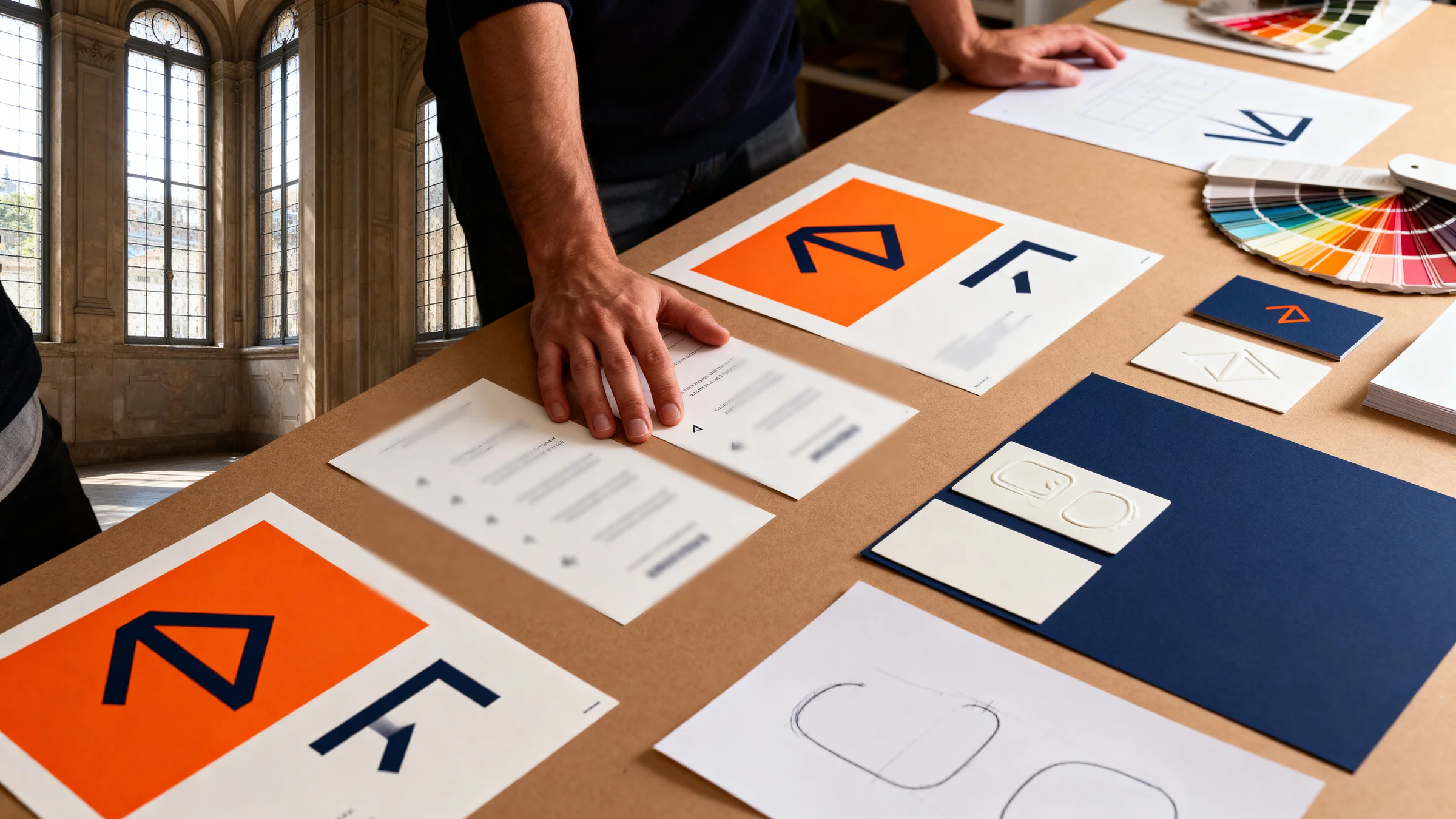
- Visual identity: logo or wordmark, typography, colour, imagery, graphic elements and motion.
- Applications: website, packaging, signage, social media templates, stationery and presentations.
- Guidelines: the rules and files that let anyone apply the brand consistently.
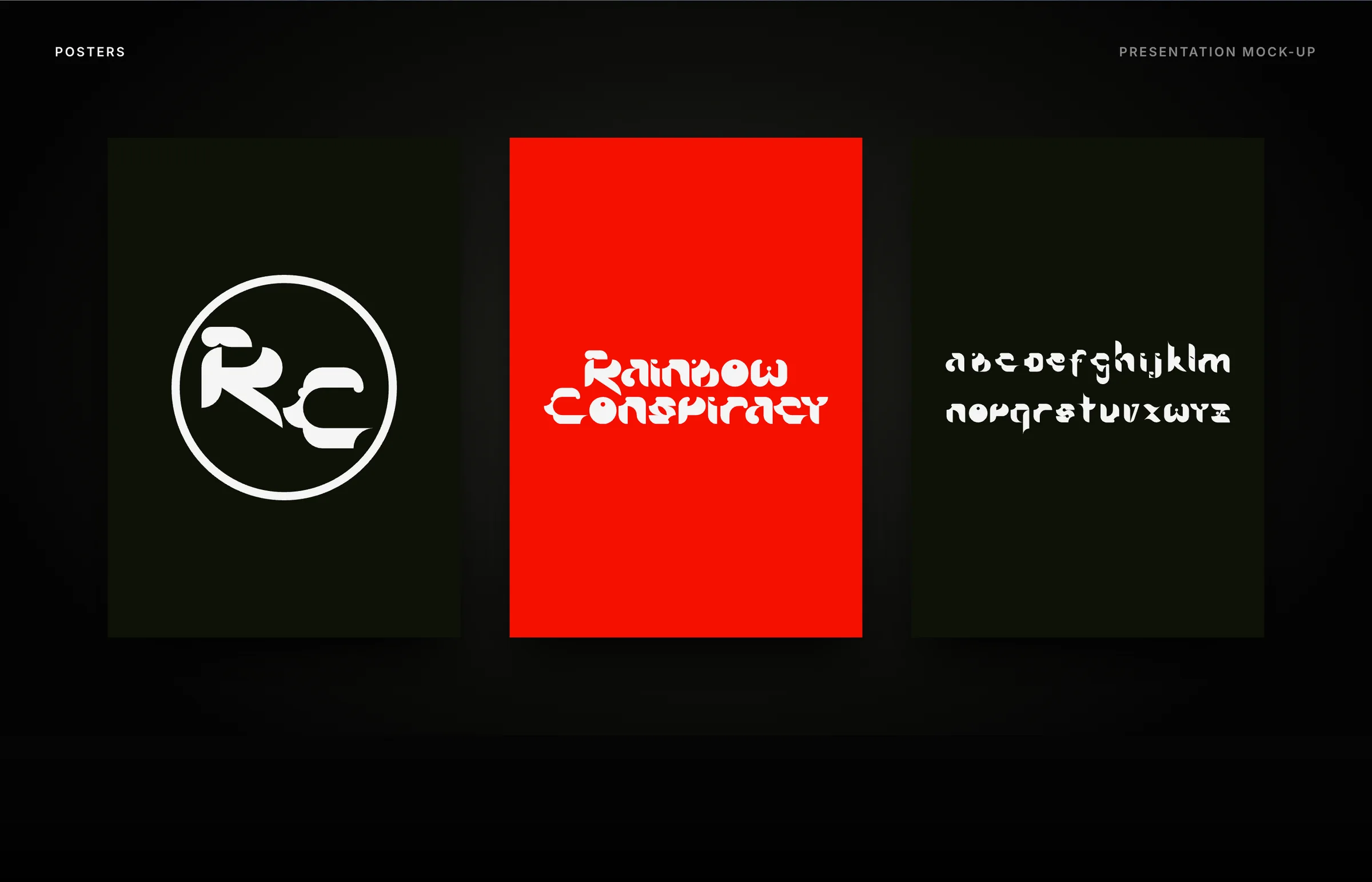
Odduel, a creative and technology agency in Barcelona and São Paulo, covers this path through our branding service, and because we also build websites and digital products, the identity is designed to work on screens from the start. The Rainbow Conspiracy identity is one example of that work.
In short: judge a branding agency on the thinking behind its work, the clarity of its process and the completeness of what you receive. A beautiful logo without a strategy or guidelines is a short-lived asset.
What kinds of branding studio exist in Europe?
| Studio type | Strength | Fits | Consider |
|---|---|---|---|
| Independent branding studio | Strategy and identity craft | New brands, repositioning, rebrands | Websites and digital products may go to a third party |
| Creative and technology agency | Identity designed for digital use, plus websites and products | Brands that live mainly online, launches | Check depth in packaging or print if you need it |
| Large brand consultancy | Research depth, multi-market programmes | Big organisations, complex portfolios | Cost and process weight for smaller companies |
| Advertising agency | Campaigns and storytelling | Brands that need launch campaigns | Identity systems may be less thorough |
| Freelance designer | Direct, flexible | Small businesses, simple identities | Strategy, capacity and range of applications |
If you are looking in Catalonia specifically, our overview of branding agencies in Barcelona explains how to read local portfolios.
How do you read a branding agency’s portfolio?
A portfolio shows taste; what you need to see is thinking. When you review case studies, look for:
- The problem. Was the brand new, outdated, confusing, or entering a new market?
- The strategy. A clear idea that explains the design choices, not just adjectives.
- The system. Typography, colour, layout and imagery working together, not only a logo on a mock-up.
- Real applications. Websites, packaging, signage and social content in use, rather than only idealised renders.
- Range. Different answers for different clients, rather than one house style applied to everyone.
- Digital behaviour. How the identity works on small screens, in motion and in interfaces.
How do you choose a branding agency in Europe?
- Write a short brief. Why now, who the brand is for, what must change, what must stay, the applications you need, languages and markets, timeline and how decisions will be made.
- Shortlist three to five studios whose work shows strategic thinking and range, with some projects close to your situation.
- Hold a first conversation. Notice whether they ask about your business and customers before talking about design.
- Ask for a proposal with process, phases, number of design directions, deliverables, team, timeline and exclusions.
- Check references about collaboration, how feedback was handled and how the brand performed in use.
- Compare like with like. One proposal may include research, naming, guidelines and website templates; another only a logo.
Avoid unpaid creative pitches where possible: they ask studios to design before understanding your business, and the result reflects guesswork rather than strategy.
Which questions should you ask before signing?
- Which projects like ours have you delivered, and may we speak to those clients?
- How do you research, and who will you talk to in our company and among our customers?
- How do you reach a strategy, and how will we approve it before design starts?
- How many design directions will you present, and how many rounds of refinement are included?
- What exactly do we receive: files, formats, guidelines, templates?
- How will the identity work on our website, in social media and in motion?
- Who will work on our project day to day?
- Who owns the final designs, and are fonts and images licensed for our use?
- Can you help check that the name and logo can be registered as trade marks?
On the last point, the European Union Intellectual Property Office handles EU trade marks; an agency can help with initial searches, while formal clearance belongs with a trade mark attorney.
What should a branding project deliver?
| Deliverable | What it includes | Why it matters |
|---|---|---|
| Brand platform | Positioning, audience, values, personality | Guides every later decision |
| Verbal identity | Tone of voice, key messages | Makes the brand sound consistent |
| Logo files | All versions and formats, for screen and print | Correct use everywhere |
| Visual system | Typography, colour values, imagery, graphic elements | Recognition beyond the logo |
| Templates | Social media, presentations, documents | Speeds up daily use |
| Guidelines | Rules and examples, usually as a document or a web page | Keeps the brand consistent as teams grow |
Our guide to brand guidelines explains what good guidelines contain and how teams keep them alive.
How much does a branding agency charge?
Price follows scope: research depth, naming, the number of applications, markets and languages, and how many people must be involved in decisions. A fixed quote follows a short brief. When proposals differ widely, check whether they include research, strategy, several directions, guidelines, templates, font licences and support during roll-out. Those lines explain most of the difference.
How long does a branding project take?
It depends on scope and on how quickly decisions are made. A focused identity for a small business moves much faster than a full rebrand with research, naming and many applications. Approval of the strategy and of the chosen direction usually sets the pace, so agree early who decides and how.
How do you give useful feedback on brand work?
Feedback shapes the result as much as the studio’s talent. Judge each direction against the agreed strategy and audience first, and personal taste second. Say what a design makes you feel and why it does or does not fit the brief, rather than prescribing fixes such as “make it bigger” or “use blue”.
Gather opinions internally before sharing them, so the studio receives one consolidated view with conflicts already resolved. Test the favourite direction in real situations, such as your website header, a social post or a shopfront, before final approval. A logo seen alone on a white page is the least reliable way to choose a brand.
What are the warning signs?
- Design shown before any questions about your business or customers.
- A single direction presented as the only possible answer, with no reasoning.
- Portfolios full of mock-ups and no real applications.
- No guidelines or source files in the deliverables.
- Unclear ownership or unlicensed fonts and images.
- No thought for how the identity works on screens and in motion.
Questions people ask
What is the difference between a branding agency and a graphic design studio?
A branding agency starts from strategy: positioning, audience and personality, then designs an identity system and guidelines from it. A graphic design studio typically produces designed pieces, such as layouts, print or illustrations, often within an existing brand. Many studios do both; check whether strategy and a complete system are part of the scope.
Should a small business hire a branding agency?
Yes, when the brand will carry the business for years, when it is entering a new market, or when the current identity confuses customers. A focused scope with a short strategy, a strong core identity and practical templates often suits small businesses better than a large programme, and it avoids redesigns a year later.
How many logo options should a branding agency present?
There is no fixed number. Many studios present two or three distinct directions, each grounded in the agreed strategy, then refine the chosen one. More options are not better if they lack reasoning. What matters is that every direction answers the brief and that you understand why each would work.
Who owns the brand identity after the project?
Your company should, once the work is paid for. The contract should assign rights in the final designs and provide all source files. Fonts and images may be licensed rather than owned, so check that licences cover your intended use, including websites, apps and advertising, in every market where you operate.
Can a branding agency in another country work on my brand?
Yes. Within Europe, studios regularly work with clients in other countries, holding workshops by video call and visiting for key sessions. What matters is that the studio understands your customers and markets, researches them properly and tests the identity in every language you use, rather than whether it shares your postcode.
Write a one-page brief that explains why the brand needs work now and who it must speak to; it is the most useful document you can give any studio. For the bigger picture, read our branding complete guide. When you are ready to build or renew your brand, see our branding service or tell us about your brand.