Website redesign cost depends less on page count than on how much of the existing site you keep: a design refresh costs a fraction of a rebuild; a new platform adds migration, redirects and testing. The honest way to price a redesign is to decide first what kind of redesign you need, then count what it touches. This guide covers the cost drivers, the lines in a quote, the three kinds of redesign, the hidden costs, a sample budget and how to read a quote.
Last updated: 27 October 2026.
Why is there no single price here?
Any figure printed here would be wrong for most readers. Two sites with the same number of pages can differ several times over in effort, because one has fifty clean pages and the other has fifty pages, three hundred old articles, a shop and a booking system wired to a CRM. So this guide gives you the structure of the cost, the relative weight of each line and the questions that move it, which is what you need to compare quotes and set a budget you can defend.
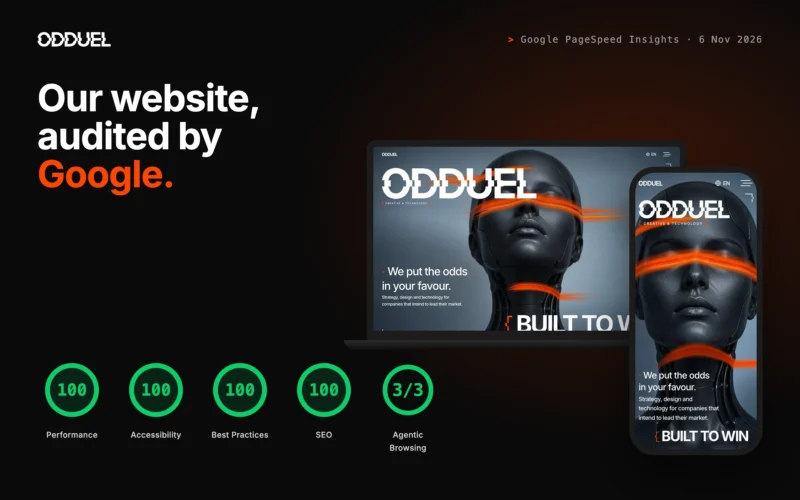
At Odduel, a creative and technology agency in Barcelona and São Paulo, we price a website redesign after a short brief and a look at the current site, with a quote fixed for the agreed scope. AI now carries much of the repetitive production in our projects (design-system components, first-pass front-end code, image preparation, test runs, first drafts of translations) so costs fall and timelines run in weeks. Strategy, art direction, content decisions and the final review stay human work, and that is where most of the budget goes.
In short: the cost of a website redesign is set by the kind of redesign, the volume of content that has to move, the features and integrations that must keep working, and the care taken not to lose search traffic. Design is rarely the largest line. Migration and testing are often underestimated. A good quote names every one of these lines and says what is excluded.
What drives website redesign cost compared with a new build?
A redesign is not a new build with a discount. It starts from something that already works, at least partly, and that is both a saving and a constraint.
The savings are real. You usually already have a brand, a content base, a domain with some authority, analytics that show what visitors do, and a team that knows what the site must achieve. Discovery is shorter because there is evidence to read instead of guesses to make.
The constraints cost money. Everything that exists has to be inventoried, judged and either kept, rewritten, moved or retired. Every address that has earned links or rankings needs a redirect. Every integration (forms to a CRM, a shop, a booking tool, a newsletter) has to keep working on launch day. And visitors and search engines notice when things break, so testing is broader than on a site nobody has seen yet.
The factors that move the price most, roughly in order:
- The kind of redesign. A visual refresh on the same platform, a rebuild on the same platform, or a move to a new platform. This one decision sets the scale of everything else.
- Content volume and state. How many pages, articles, products and files there are, and whether they move as they are or need rewriting, restructuring or translating.
- Features and integrations. Search, filters, accounts, a shop, bookings, forms tied to other systems, multilingual set-up. Each one is designed, built and tested again.
- Design depth. Using the existing identity with a new layout costs much less than a new art direction, custom illustration, motion or a new design system.
- Search protection. The size of the redirect map and the care taken over titles, structured data and internal links decide whether traffic survives the launch.
- Compliance. Accessibility, consent and privacy work that the old site may never have had.
If you are comparing a redesign with starting again, our guide to how much a website costs breaks down the cost of a new site line by line, and most of its logic applies here too.
Refresh, rebuild or replatform: which do you need?
Most redesign projects fall into one of three kinds. Naming yours before you ask for quotes is the single most useful thing you can do, because agencies quoting different kinds of work will send you numbers that cannot be compared.
A refresh
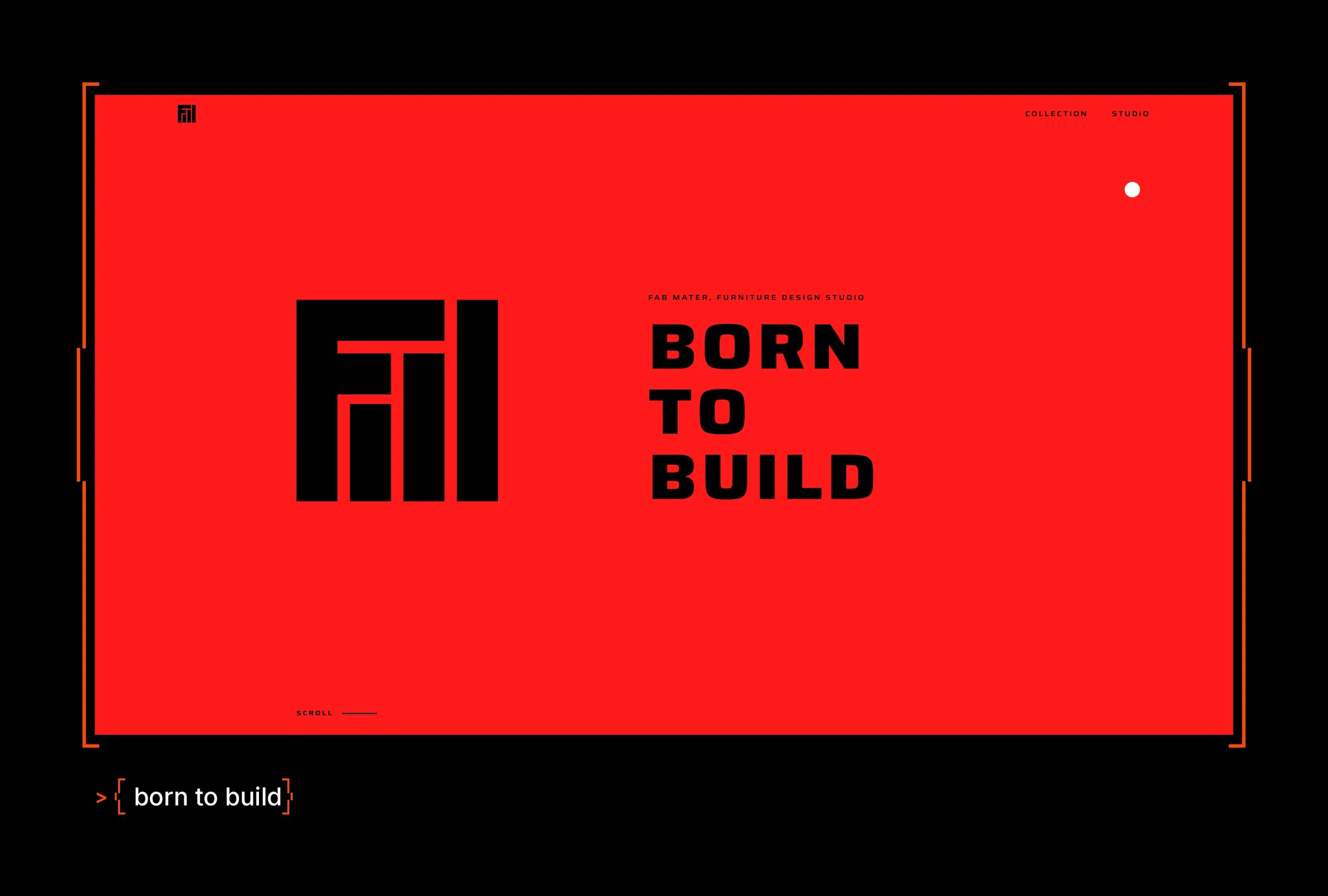
A refresh changes how the site looks and reads without changing what it is built on. New layouts, type, colour, imagery and copy on key pages; the content management system, the address structure and most features stay. It suits a site that works technically but looks dated or no longer matches the brand.
A rebuild
A rebuild keeps the platform (for example, WordPress stays WordPress) but replaces the theme, templates and often the content structure. It suits a site that has grown messy: slow, hard to edit, full of plugins nobody remembers installing. The content is migrated into a cleaner model, and the address structure is usually improved, which brings redirects into scope.
A replatform
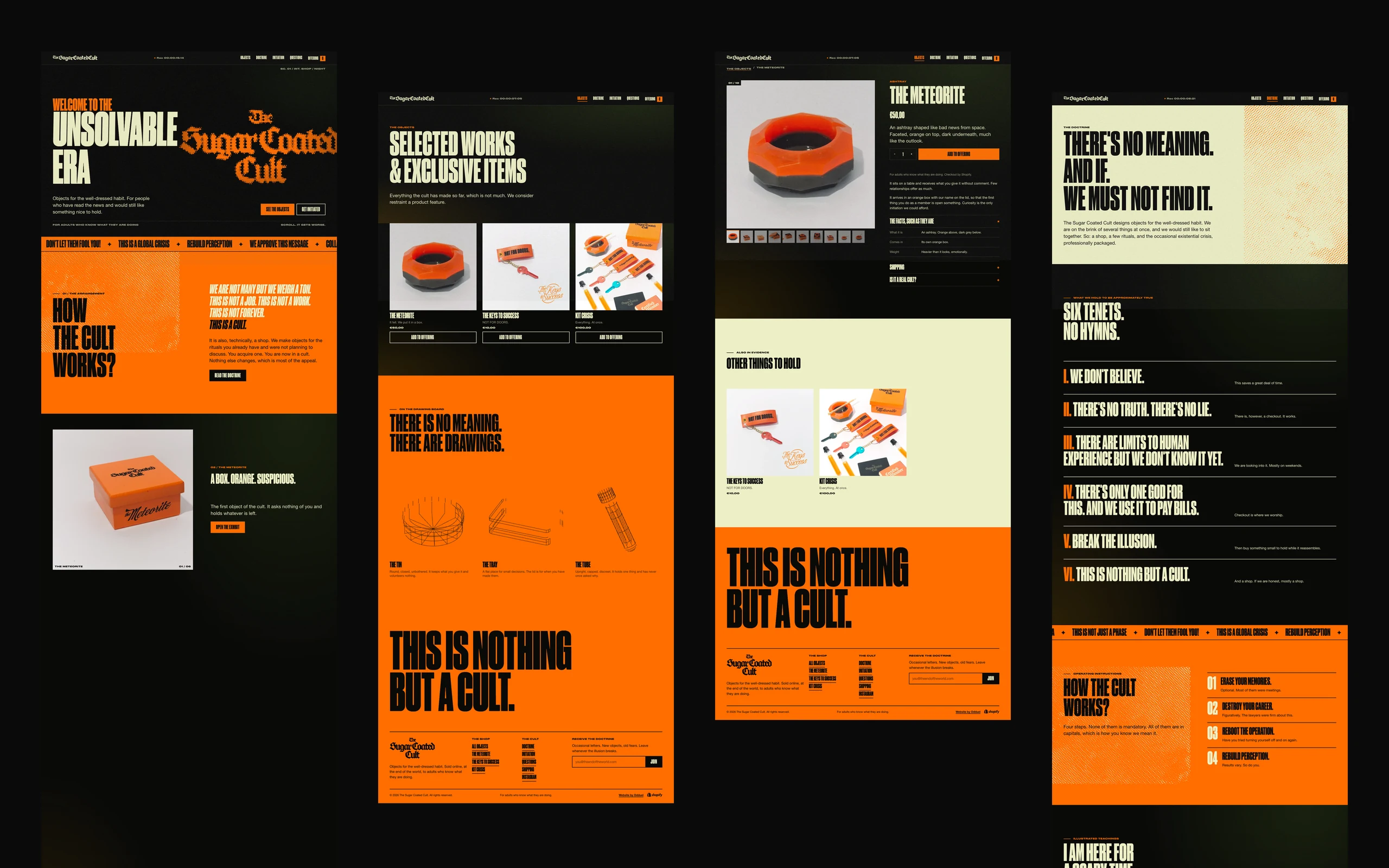
A replatform moves the site to a different system, for example from a hosted builder to WordPress, from a custom system to a headless set-up, or from a static site to a commerce platform. Everything is touched: content is exported, mapped and imported, integrations are reconnected, addresses change and redirects matter most. When The Sugar Coated Cult’s shop moved from a static site to Shopify, the work was as much about moving products, pages and the domain cleanly as about the design (the case study shows the result).
| Refresh | Rebuild | Replatform | |
|---|---|---|---|
| What changes | Look, layout, key copy | Theme, templates, content structure | The whole system underneath |
| Platform | Stays | Stays | Changes |
| Content migration | Little or none | Moderate, into a cleaner model | Full export, mapping and import |
| Address changes and redirects | Rare | Common | Almost always |
| Integrations | Usually untouched | Checked and often rebuilt | Reconnected or replaced |
| SEO risk at launch | Low | Medium | Highest |
| Relative cost | Lowest | Middle | Highest |
| Typical reason | Dated look, new brand | Slow, hard to edit, messy | Platform limits, cost of running, new needs |
A useful test: if your complaint is “it looks old”, you probably need a refresh. If it is “nobody can update it and it is slow”, a rebuild. If it is “the platform cannot do what we need, or costs too much to run”, a replatform.
What are the cost lines in a website redesign quote?
A clear quote breaks the work into lines you can question. These are the ones to expect, with their usual weight in the budget.
Discovery and audit
Reading analytics, search data and the current site; interviews with the people who use and edit it; a content inventory; a list of what must be kept. On a redesign this is shorter than on a new build but never skippable, and it is usually a small share of the budget. It is also where the right kind of redesign is confirmed.
Information architecture and UX
The new page structure, navigation, user journeys and wireframes for the main templates. Its size depends on how much the structure changes: a refresh may only rework the home page and a few key journeys, a rebuild rethinks the whole map.
Visual design
Art direction and the design of each template, at desktop and phone sizes, plus the components they are built from. Reusing the existing identity keeps this moderate. A new identity, custom illustration or motion makes it one of the larger lines; if the brand itself is changing, that is a separate piece of work.
Development
Building the templates, components and features, connecting integrations and setting up the editing experience. In most rebuilds and replatforms this is the largest single line. Each custom feature, each integration and each language adds to it.
Content and migration
Moving, cleaning and often rewriting content, setting up new fields, handling images and files. This line is the one most often underestimated (more on it below), and on content-heavy sites it can rival development.
SEO, testing and launch
The redirect map, titles and descriptions, structured data, performance work, accessibility checks, cross-browser and device testing, and the launch itself with monitoring afterwards. Usually a modest share, but it protects everything else.
After launch
Hosting, licences, maintenance and support. These are running costs rather than project costs, but a quote that ignores them hides the real cost of ownership.
What are the hidden costs of a redesign?
The surprises in a redesign budget almost never come from design. They come from the old site, which always holds more than anyone remembers.
Content migration
Content looks like a copy-and-paste job until you count it. Old articles with broken formatting, images without alt text, pages built with shortcodes from a plugin that will not exist on the new site, products with inconsistent attributes, PDFs linked from everywhere. Each needs a decision: move as is, clean up, rewrite, merge or retire.
Ask early who does this work and how it is counted. Automated migration handles the bulk well when the old content is structured; hand work starts where it is not. Rewriting copy is a separate line again, and translation multiplies it by the number of languages.
Redirects
Every address that changes needs a permanent (301) redirect from the old address to the new one, or visitors and search engines land on errors and the authority those pages earned is lost. Google’s guidance on site moves with URL changes explains why a full mapping matters. On a small site the redirect map is an afternoon; on a site with years of articles, products and campaign pages, it is real work, and it should be listed in the quote.
SEO recovery
Even a careful launch can move rankings for a few weeks while search engines recrawl the site. A careless one can lose traffic for months. Budget for checking the site after launch: crawl errors, missing redirects, pages that lost their titles or structured data, and internal links that still point to old addresses. This post-launch check is a fraction of the project, and it is the cheapest insurance you can buy.
Integrations and data
Forms that feed a CRM, newsletter sign-ups, booking widgets, payment providers, analytics and consent tools all need to be reconnected and tested. Historical data, such as order history or user accounts on a replatform, may need its own export and import, with privacy obligations under the GDPR attached to any personal data that moves.
Accessibility and compliance
Since 28 June 2025, the European Accessibility Act applies to many consumer-facing digital services in the EU, including much of e-commerce. A redesign is the natural moment to meet accessibility standards rather than patch them later, but if the old site never did, it is new scope and should be priced as such.
Your own time
Reviews, content decisions, approvals and gathering material all take your team’s time. A redesign where the client side is slow to decide costs more, because the agency’s time stretches with it.
A sample budget for a website redesign
Without a price, a budget can still be planned as shares. The split below is a typical pattern from our experience for a rebuild of a company site of moderate size, with the existing brand kept, content moved into a cleaner structure and a handful of integrations. It is a planning shape, not a statistic, and your own split will move with the factors above.
| Cost line | Share of the project | What moves it up |
|---|---|---|
| Discovery and audit | A small share | Unclear goals, many stakeholders |
| Architecture and UX | A modest share | A structure that changes a lot |
| Visual design | A substantial share | New art direction, motion, illustration |
| Development | The largest share | Custom features, integrations, languages |
| Content and migration | A substantial share | Volume, messy content, rewriting |
| SEO, testing and launch | A modest share | Many changed addresses, compliance gaps |
Read it in both directions. For a refresh, development and migration shrink and design takes the largest share. For a replatform with a large archive, migration can become the second largest line or even the first. If a quote you receive is shaped very differently, ask why: there may be a good reason, or a line may be missing.
How long does a redesign take, and does time change the cost?
Time and cost move together, because most of the cost is people’s time. A refresh can take a few weeks; a rebuild or a replatform usually takes longer, and the content and approvals on your side often decide the pace more than the build. Our guide to how long it takes to build a website sets out the stages and where the time goes.
Two points matter for the budget. First, compressing a timeline costs more, because work that would run in sequence has to run in parallel. Second, a stretched timeline also costs more, through repeated reviews, context lost between phases and content changing under the build. A firm plan with dates for your decisions is the cheapest timeline.
How should you read a website redesign quote?
Quotes for the same redesign can look very different. These steps help you compare them on substance rather than on the bottom line.
- Check the kind of redesign. Does each quote describe a refresh, a rebuild or a replatform? If two agencies quote different kinds, you are not comparing like with like.
- Look for every cost line. Discovery, UX, design, development, content and migration, SEO and redirects, testing, launch. A missing line is not free; it is either excluded or hidden.
- Read what is counted. How many templates, pages migrated, integrations, languages, rounds of revisions? Numbers in the scope are what the price is fixed against.
- Find the exclusions. Copywriting, translation, photography, licences, hosting and post-launch support are often outside. Know which before you sign.
- Ask how changes are priced. A fixed quote for a fixed scope needs a clear way to handle additions. Fixed price, time and materials and retainers each handle changes differently.
- Ask about search protection. Who builds the redirect map, who checks it after launch, and for how long?
- Ask what happens after launch. A period of fixes, then maintenance terms, should be written down.
A very low quote usually means a narrower kind of redesign than you need, or missing lines that return later as extras. A very high one may include work you do not need, such as a new identity when the brand is fine. Either way, the scope is the conversation to have, not the price.
Is a redesign worth it, or should you start again?
A redesign is worth it when the site has assets to protect: search traffic, links, content that works, integrations people rely on. Keeping those while improving the rest is usually cheaper and safer than starting again.
Starting again makes sense when almost nothing would carry over: the brand is changing completely, the content is mostly obsolete, and the old site earns little traffic. In that case a redesign’s migration and redirect work protects very little, and a new build with a clean structure may cost the same or less. If you are weighing who should do the work, our guide on choosing an agency, freelancer or in-house team for a website redesign compares the options.
What should buyers across European markets know?
VAT. Agency quotes between businesses in different EU countries are usually invoiced without VAT under the reverse-charge rule, with the buyer accounting for it at home; quotes to buyers in the agency’s own country include local VAT. Check whether the figures you compare are with or without VAT before comparing them.
Languages. A multilingual site multiplies content work: each language needs its own copy, its own addresses and its own redirects, and translated titles and descriptions should be written for how people search in that language, not translated word for word. Count the languages in the scope, and ask whether translation, native review and multilingual SEO are included or quoted separately.
Questions people ask
How much does a website redesign cost?
The cost depends on the kind of redesign, the content that must move, the features and integrations that must keep working, and the search protection needed. A visual refresh costs a fraction of a rebuild, and a replatform costs most. A reliable figure only comes from a fixed quote after a short brief and an audit of the current site.
Is a redesign cheaper than building a new website?
Often, yes, because the brand, content, domain authority and analytics already exist and discovery is shorter. But a redesign adds work a new build does not have: content migration, redirects for changed addresses and wider testing. When almost nothing from the old site will be kept, a new build can cost about the same.
What is the most underestimated cost in a website redesign?
Content migration. Old content is rarely as clean as it looks: broken formatting, missing alt text, plugin shortcodes, inconsistent products and files linked from everywhere. Each item needs a decision to keep, clean, rewrite or retire. Ask every agency how migration is counted and who does the hand work it always requires.
Will a website redesign hurt my search rankings?
It does not have to. Rankings are protected by permanent redirects from every changed address, by keeping titles, structured data and internal links intact, and by checking the site after launch. A short dip while search engines recrawl is common; lasting losses usually come from missing redirects or removed content that earned traffic.
How often should a website be redesigned?
There is no fixed cycle. Redesign when the site no longer matches the brand, cannot do what the business needs, is slow or hard to edit, or fails accessibility and privacy obligations. Many sites need a refresh more often than a full rebuild, and steady maintenance between redesigns lowers the cost of the next one.
What should a website redesign quote include?
A clear quote names the kind of redesign and lists discovery, UX, visual design, development, content and migration, SEO and redirects, testing and launch, each with counted scope such as templates, pages and integrations. It also states the exclusions, how changes are priced and what support follows the launch, so nothing reappears later as an extra.
If your site needs a new look, a cleaner build or a new platform, the first step is naming the kind of redesign and counting what it touches. Send us a short brief and the address of your current site, and we will come back with a fixed quote for a website redesign that lists every line, or talk to us about your project first.
Further reading: Website redesign SEO checklist: redesign without losing search traffic.